Our Integrated Early Childhood Development (ECD) Program
THE LEADOAK's APPROACH: Feed a Child
Child health & Nutrition program
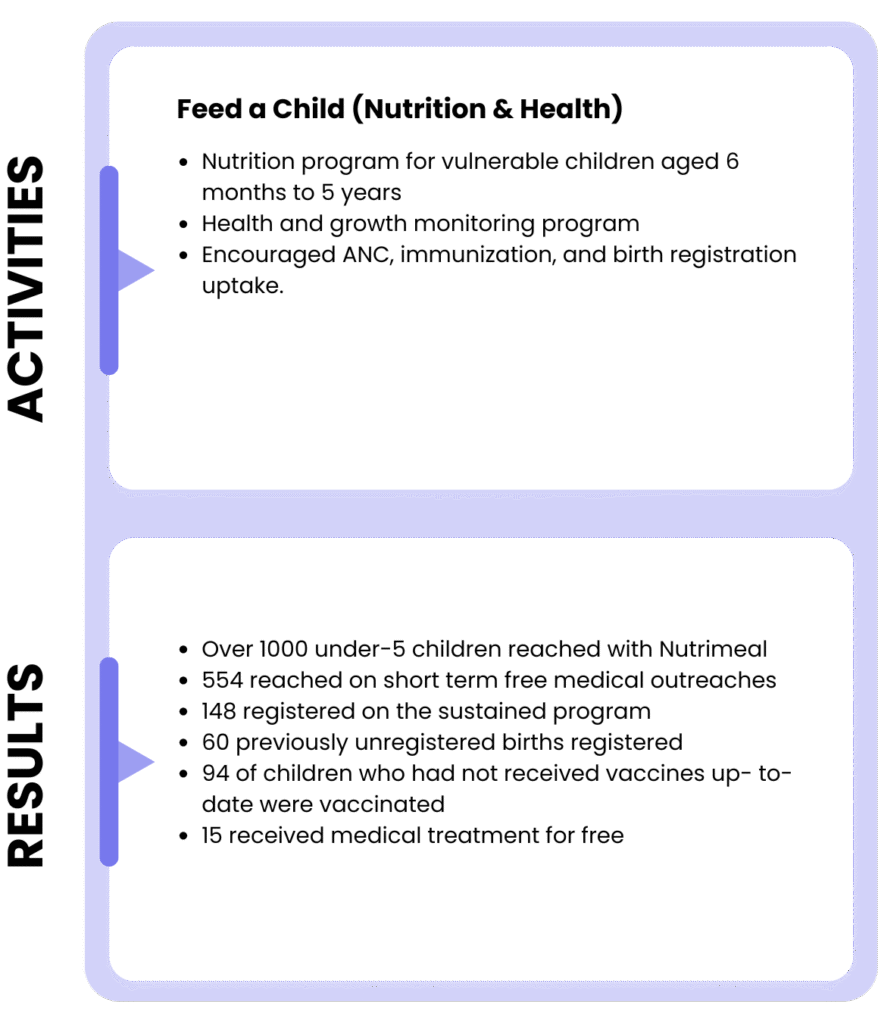
Good nutrition is very essential for development especially in the first 1,000 days of a child. Stunted growth from malnutrition is established by age two, and irreversible for life. This also impacts on cognitive development as affected children will struggle to learn, interact with their environment and battle health conditions for life.
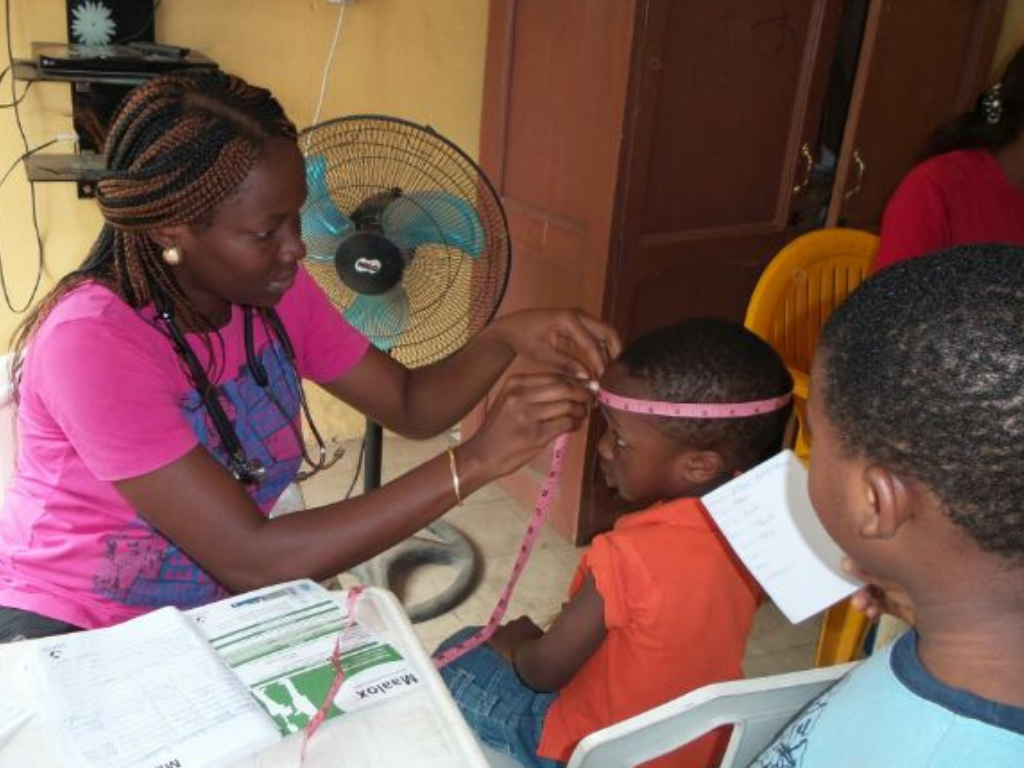
This program is designed to meet the nutritional and health needs of vulnerable children under 5 years. The caregivers bring their children to the project center every week to pick up the ‘Nutrimeal’ (cereal made from healthy locally found ingredients for high impact nutrition) supply for the next week, growth monitoring, and routine monthly health checks.
It is usually anchored in a primary healthcare facility to ensure that the overall nutritional and healthcare needs of the child is met and strengthen the capacity of the center to continue to do so.
To address the soft skill gap and increase the chances of young people in Edo State to develop meaningful careers, we propose implementing a soft skills training program. This program will provide young people with training in critical soft skills such as communication, teamwork, leadership, problem-solving, and critical thinking. By developing these skills, young people in Edo State will be better prepared to compete in the job market and secure meaningful employment opportunities. The program will be designed to be accessible to a wide range of young people, including those who are not currently enrolled in formal education or training programs. By investing in the development of soft skills in young people, we can help to reduce youth unemployment and support the growth of a skilled and productive workforce in Edo State.
2. Soft skills are often lacking in young people: Many young people entering the workforce lack the soft skills necessary for success. A study by the National Association of Colleges and Employers found that the most important skills employers look for in new hires are soft skills, yet only 40% of graduating seniors were rated as having adequate levels of professionalism and work ethic.
4. Soft skills development can have positive long-term outcomes: Developing soft skills in young people can have positive long-term outcomes, both in terms of their personal and professional lives. A study by the Partnership for 21st Century Learning found that soft skills such as communication, collaboration, and critical thinking are linked to higher earnings and better job outcomes later in life.