As of 2025, an estimated 250 million children worldwide are still at risk of not reaching their full developmental potential due to poverty, inadequate nutrition, and lack of early learning opportunities. A significant portion of these children live in Sub-Saharan Africa, with approximately 120 million affected.
NIGERIAN STATISTICS
Nigeria continues to rank low on global Early Childhood Development indices, reflecting gaps in nutrition, healthcare, early education access, and family support systems.
ECD STATISTICS
2,000 – 2,300 children under 5 die daily from preventable causes
120 – 145 women of child-bearing age die daily
Nigeria remains among the top 7 contributors to global under-5 mortality
32% of children are stunted
Over 2 million children suffer from severe acute malnutrition
~57% birth registration (meaning ~43% of children still lack legal identity)
Pre-primary enrolment remains low at ~33–35%
~20 million out-of-school children — highest number in the world
Approximately 10 million orphaned and vulnerable children
No national parenting support program currently implemented at scale
The Challenge with Traditional ECD Interventions
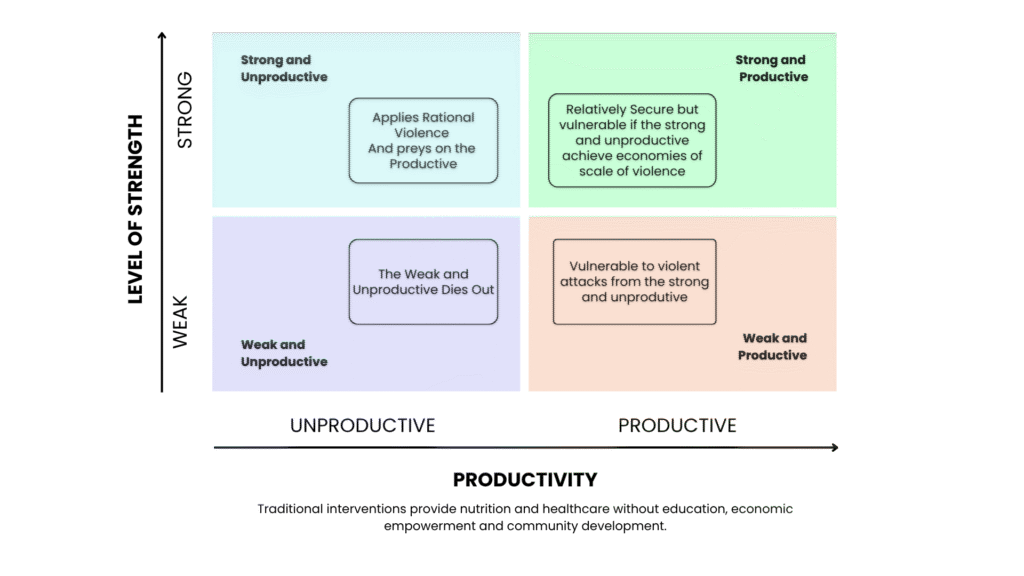
Traditional ECD interventions have typically focused on maternal and child health programs which is good, but not enough. This only gets the child to survive but not necessarily thrive, resulting in adults who are strong but unproductive.
If we do nothing, by 2030 when Nigeria is predicted to double its population, we will have an alarming number of adults who cannot be productive members of society, hence they will either be totally dependent for survival, or negative elements who are easy targets for perpetrators of terrorism and violence.
ECD is an acronym for Early Childhood Development referring to the period from conception through birth to eight (8) years of age which is very critical to the physical, cognitive, emotional, and social development of a child.
It is, in a sense, a ‘make or break’ period in the life of every individual as it is comes only once, and when not maximized, could result in long term consequences for life-outcomes.
All aspects of human development in the early years create a foundation for future academic achievement in school, responsible citizenship, lifelong health, economic productivity, and strong communities.
Research has shown that high quality, integrated ECD programs are required globally to ensure that all children reach their full developmental potential.
A multi-sectoral approach is the way to go! Programs which cover health, nutrition, education, socio-economic strengthening of families and child protection will result in all-round development across all developmental domains; physical, cognitive, socio-emotional, language and movement.
A holistic, and properly implemented IECD program would ensure that all aspects of the child’s development is supported by the environments in which they live.
THE WAY FOWARD:
A case for the integrated approach to early childhood development programs
To address the soft skill gap and increase the chances of young people in Edo State to develop meaningful careers, we propose implementing a soft skills training program. This program will provide young people with training in critical soft skills such as communication, teamwork, leadership, problem-solving, and critical thinking. By developing these skills, young people in Edo State will be better prepared to compete in the job market and secure meaningful employment opportunities. The program will be designed to be accessible to a wide range of young people, including those who are not currently enrolled in formal education or training programs. By investing in the development of soft skills in young people, we can help to reduce youth unemployment and support the growth of a skilled and productive workforce in Edo State.
2. Soft skills are often lacking in young people: Many young people entering the workforce lack the soft skills necessary for success. A study by the National Association of Colleges and Employers found that the most important skills employers look for in new hires are soft skills, yet only 40% of graduating seniors were rated as having adequate levels of professionalism and work ethic.
4. Soft skills development can have positive long-term outcomes: Developing soft skills in young people can have positive long-term outcomes, both in terms of their personal and professional lives. A study by the Partnership for 21st Century Learning found that soft skills such as communication, collaboration, and critical thinking are linked to higher earnings and better job outcomes later in life.