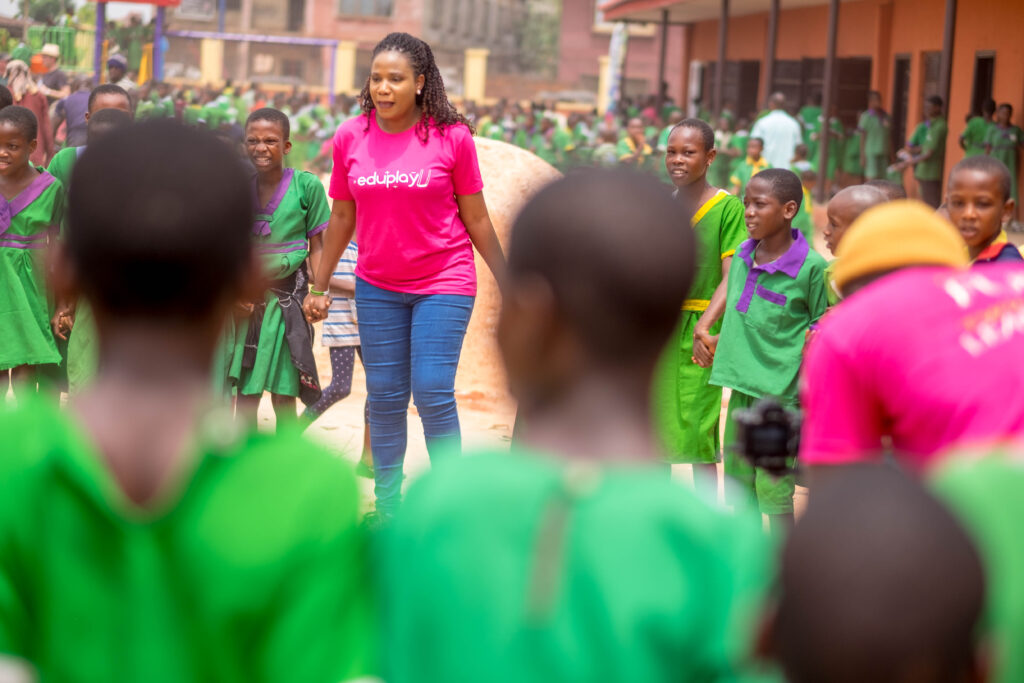
EduPlay Africa and its playground projects is an initiative of Convergence for Early Childhood Development in Africa (CECD Africa), Lead Oak Women and Children Foundation (LOWAC Foundation), and Play 360. The project aims to build educational playgrounds and train teachers to create engaging learning resources in all primary schools across Nigeria and Africa, reaching the most underserved children who struggle to access a holistic, quality education.
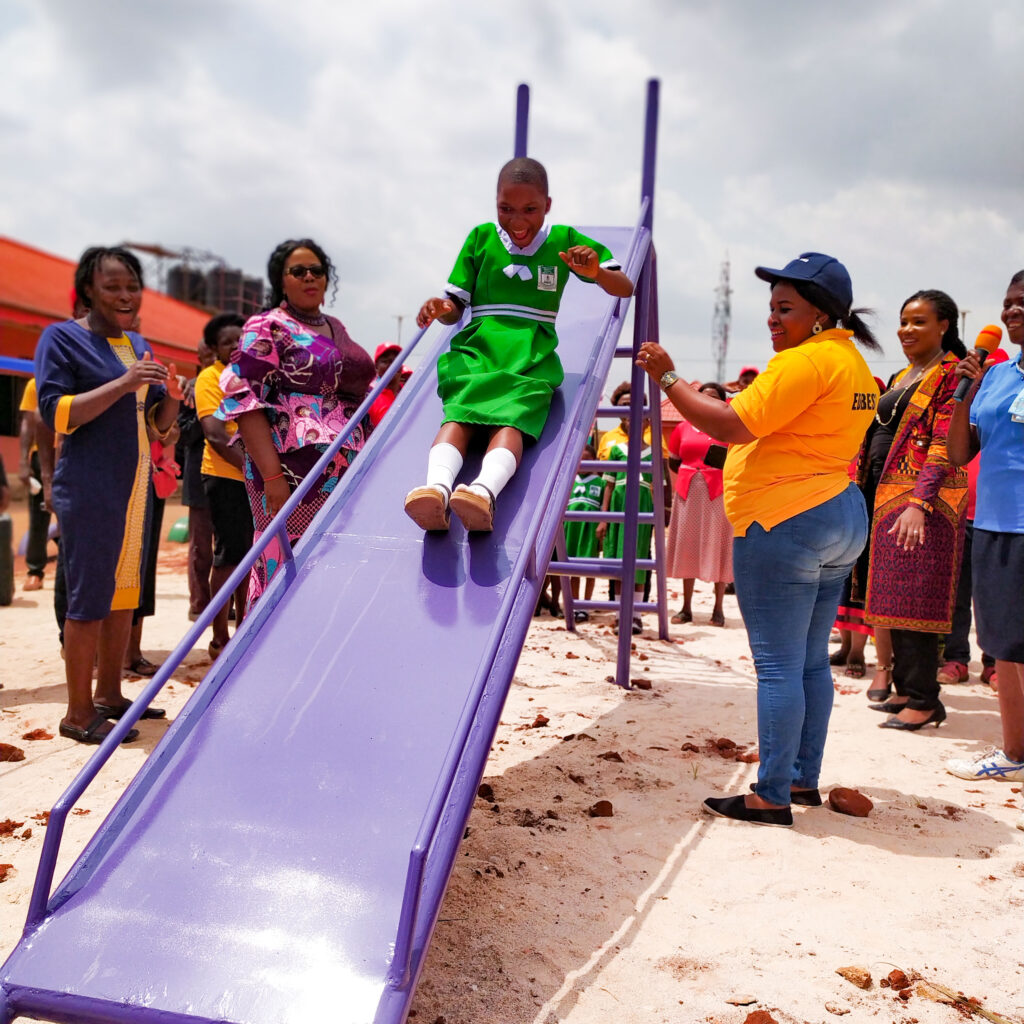
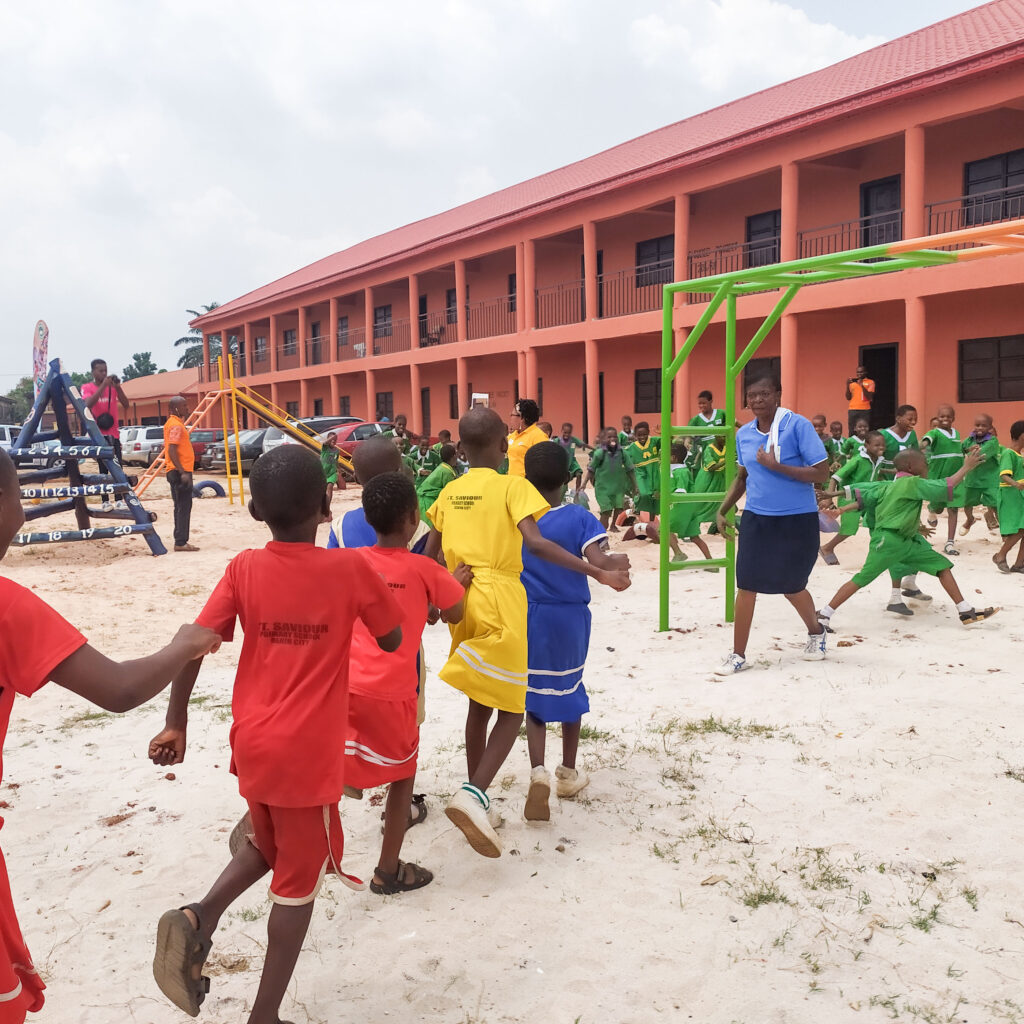
This initiative provides an avenue for children and adults to creatively play in line with contents from their curriculum, using locally sourced materials to help adapt teaching lessons to children’s unique learning styles. The goal is to improve learning outcomes in our public primary schools to ensure that no child is left behind, termed ‘dull’ or incapable of learning. These educational playgrounds promote the development of; literacy and arithmetic skills to create a learning platform for children who otherwise do not perform so well within the four walls of the classroom.
CECD Africa in Nigeria and the LOWAC Foundation share the vision to reach the most vulnerable children in Nigeria with high quality integrated early childhood development programs. The aim is to ensure that regardless of the circumstances of birth and socioeconomic status of the family, they are provided with the necessary support for their development and become nation builders in the future.
In alliance with this vision, CECD Africa and the Lead Oak Women and Children Foundation (LOWAC Foundation) have partnered with Play360, an international nonprofit organisation that empowers communities to build low-cost educational playgrounds to improve learning outcomes for young children. Their model has built these playgrounds in 14 countries, across four continents and counting.
Our Eduplay initiative improves the quality of early childhood education by empowering low-resource communities to build low-cost playgrounds as an extension of the classroom to foster: collaboration, cooperation, creativity, and innovation among children, which are vital skills that they will need for success in the 21st century.
To address the soft skill gap and increase the chances of young people in Edo State to develop meaningful careers, we propose implementing a soft skills training program. This program will provide young people with training in critical soft skills such as communication, teamwork, leadership, problem-solving, and critical thinking. By developing these skills, young people in Edo State will be better prepared to compete in the job market and secure meaningful employment opportunities. The program will be designed to be accessible to a wide range of young people, including those who are not currently enrolled in formal education or training programs. By investing in the development of soft skills in young people, we can help to reduce youth unemployment and support the growth of a skilled and productive workforce in Edo State.
Why train young people in soft skills:
1. Soft skills are critical for success in the workplace: Research has shown that soft skills, such as communication, teamwork, problem-solving, and critical thinking, are essential for success in the workplace. Employers often prioritize candidates with strong soft skills, as they are more likely to be able to adapt to new situations, work well with others, and effectively solve problems.
2. Soft skills are often lacking in young people: Many young people entering the workforce lack the soft skills necessary for success. A study by the National Association of Colleges and Employers found that the most important skills employers look for in new hires are soft skills, yet only 40% of graduating seniors were rated as having adequate levels of professionalism and work ethic.
2. Soft skills are often lacking in young people: Many young people entering the workforce lack the soft skills necessary for success. A study by the National Association of Colleges and Employers found that the most important skills employers look for in new hires are soft skills, yet only 40% of graduating seniors were rated as having adequate levels of professionalism and work ethic.
3. Soft skills are linked to better academic outcomes: Research has shown that students who develop strong soft skills are more likely to achieve better academic outcomes. For example, a study by the Collaborative for Academic, Social, and Emotional Learning found that students who participate in social and emotional learning programs had improved academic performance and better attitudes towards school.
4. Soft skills development can have positive long-term outcomes: Developing soft skills in young people can have positive long-term outcomes, both in terms of their personal and professional lives. A study by the Partnership for 21st Century Learning found that soft skills such as communication, collaboration, and critical thinking are linked to higher earnings and better job outcomes later in life.
4. Soft skills development can have positive long-term outcomes: Developing soft skills in young people can have positive long-term outcomes, both in terms of their personal and professional lives. A study by the Partnership for 21st Century Learning found that soft skills such as communication, collaboration, and critical thinking are linked to higher earnings and better job outcomes later in life.
EDUPLAY AFRICA VISION & MISSION
The EduPlay Africa Vision is; For all children in Nigeria to get equal access to quality playgrounds, a place to have fun and learn simultaneously. Our goal is to reach 80% of all public primary schools in Nigeria with our educational based playgrounds and resources in 5 years.
Our mission is geared towards;
Improving the quality of learning for young children in Africa by reaching every primary school in Nigeria, with our educational playgrounds
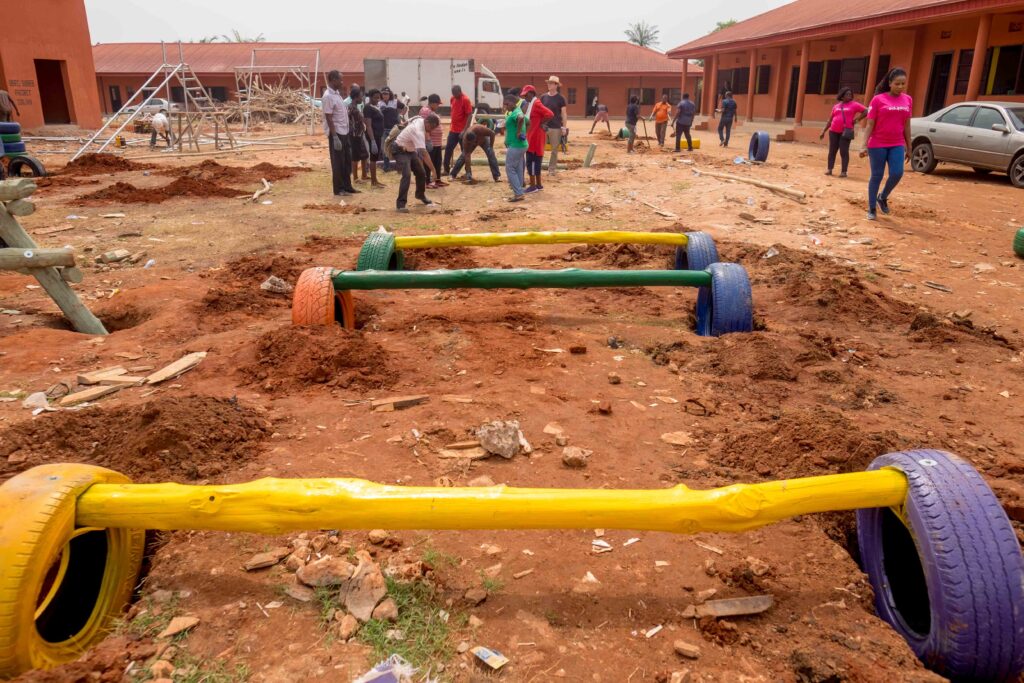
Using locally sourced materials and labour,
While developing the capacity of the teachers to use these playgrounds as an extension of their classrooms,
Equip the communities to continue to build and maintain these playgrounds.
EDUPLAY AFRICA, PILOT PLAYGROUND - 2020
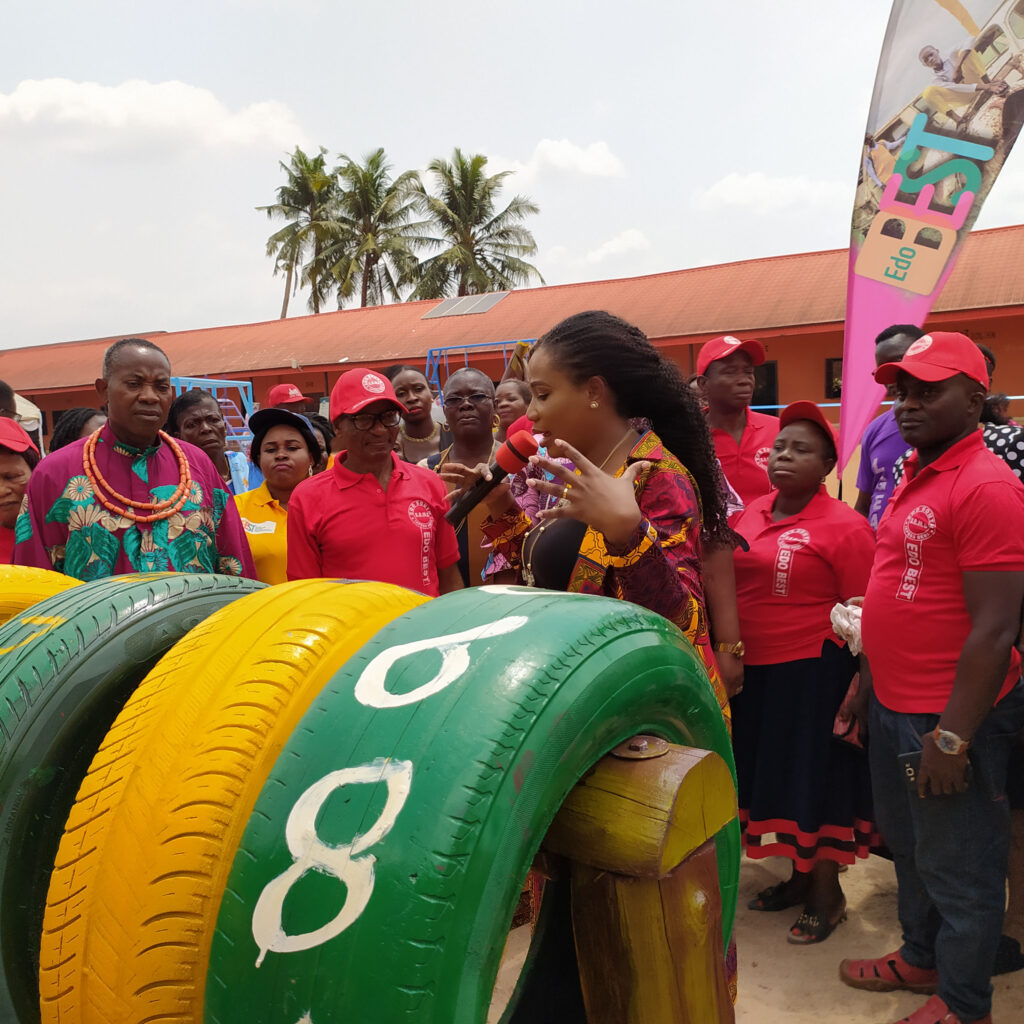
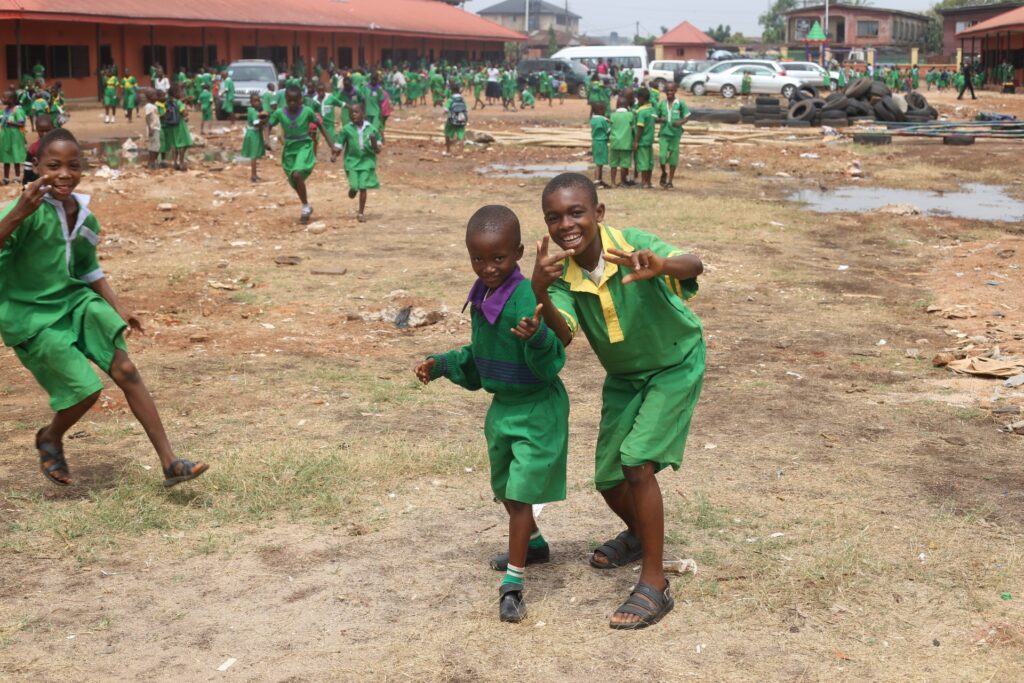
Eduplay Africa pilot playground project in 2020; was constructed in partnership with Play360 and Edo SUBEB at Ivbieneva Primary School in Benin City to boost the learning capacity of the school pupils by extending their learning curriculum onto the playground.
The goal for the pilot project was:
Build a playground to improve the learning outcome of the Pupils.
Tailor the playground to their educational curriculum.
Build the capacity of the teachers to administer learning activities on the playground.
Build the capacity of SUBEB and EduPlay Africa volunteers to replicate the playground across other primary schools in Edo state.
The project execution was within eight days with a list of activities geared towards achieving the project goals; Orientation and training for the project volunteers, Handwashing sensitization for the Children and surrounding community members.